Septic Pumping , Installation & Service in Brandon FL

Septic Pumping , Installation & Service in Brandon FL
Close
A septic system provides a crucial, often unseen, service for homes not connected to a municipal sewer system. Understanding its components and how it functions is fundamental to maintaining a healthy and efficient wastewater management system. Essentially, a septic system is a self-contained wastewater treatment facility, relying on natural processes to break down and filter household waste before it returns to the environment.
The core of most residential septic systems is the tank, typically a large, buried container made of concrete or plastic. This tank serves as the primary sedimentation chamber. Here, solid waste settles to the bottom, forming a layer called sludge, while lighter materials like grease and oils float to the top as scum. This separation is a natural step in the treatment process. The tank’s design features an outlet baffle, preventing these layers from flowing back into the drainfield.
From the septic tank, wastewater flows to the drainfield, also known as a leach field. This is a series of underground trenches containing gravel and perforated pipes. As the partially treated wastewater exits the tank, it distributes through the gravel and into the soil. The soil acts as a natural filter, removing remaining impurities and pathogens. Microorganisms in the soil further break down organic matter. This process cleans the wastewater before it reaches the groundwater.
Several factors influence the performance of a septic system. The size of the tank and drainfield must be appropriately sized for the household’s wastewater production. Soil type plays a significant role in filtration efficiency; sandy soils generally offer better drainage than clay soils. Proper maintenance is also critical. Regular pumping of the septic tank every 3-5 years, depending on usage, prevents solids from accumulating and potentially backing up into the drainfield.
The health of the drainfield heavily depends on avoiding issues that could overload its capacity. This includes preventing the disposal of harmful substances down the drain, such as excessive amounts of grease, chemicals, and pharmaceuticals. High water levels can also compromise the drainfield’s effectiveness. Therefore, landscaping practices that minimize runoff into the drainfield area are essential. Maintaining a healthy system contributes to environmental protection by preventing the contamination of surface and groundwater sources. Understanding the basic operation of a septic system empowers homeowners to take proactive steps in its upkeep and ensures its continued functionality.
Understanding the various parts of a septic system is crucial for effective troubleshooting and maintenance. A properly functioning septic system is a complex network, and knowing its components allows homeowners and professionals alike to pinpoint issues efficiently. This section provides a detailed breakdown of these key elements.
At the heart of any septic system lies the septic tank. This buried, watertight container is where the initial breakdown of solids occurs. Wastewater from the home flows into the tank, allowing heavier solids to settle to the bottom, forming sludge. Lighter materials, like grease and oil, float to the top as scum. The middle layer contains partially decomposed organic matter. The tank is typically made of concrete, fiberglass, or plastic and is sized based on household occupancy and water usage. Regular pumping, typically every 3-5 years, is essential to remove accumulated sludge and scum, preventing system overload.
Leaving the septic tank, wastewater is channeled to the distribution box. This component regulates the flow of effluent, the partially treated wastewater, and directs it to the next stage. The distribution box often includes a baffle, a wall that helps prevent solids from entering the drainfield. It also allows for the controlled release of wastewater into the soil. Proper function of the distribution box is vital for preventing drainfield failure.
The drainfield, also known as the leach field, is the final treatment component. This network of trenches containing gravel and perforated pipes is where the effluent is further filtered as it percolates through the soil. The soil acts as a natural filter, removing pathogens, bacteria, and other impurities. The size and design of the drainfield are determined by factors like soil type, groundwater level, and the volume of effluent produced. Maintaining the integrity of the drainfield is paramount; heavy foot traffic, vehicles, or construction over the drainfield can severely compromise its effectiveness.
Beyond these core components, several other parts contribute to a complete septic system. The effluent filter is often installed after the septic tank to remove finer solids before the effluent reaches the drainfield. This helps extend the life of the drainfield by preventing clogging. The backflow preventer is a safety device that prevents wastewater from flowing back into the home’s plumbing system. This is a critical safety measure to protect water quality and prevent contamination. Finally, a sump pump is often installed in the septic tank to pump out wastewater in the event of a backup.
Understanding the function of each of these components allows for a more informed approach to septic system maintenance and troubleshooting. Regular inspections and professional servicing are crucial for ensuring the long-term health and efficiency of the system. Addressing issues promptly can prevent costly repairs and environmental problems.
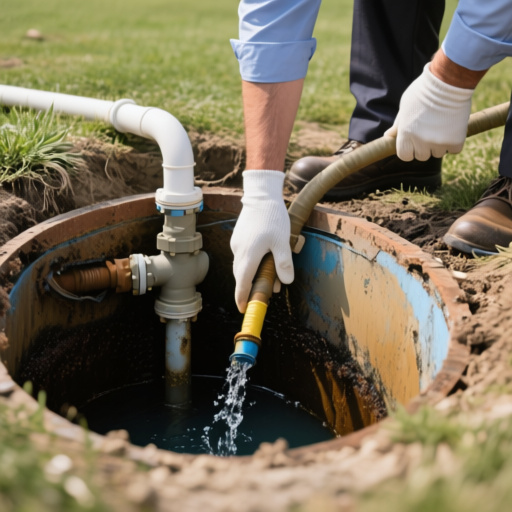
A well-functioning septic system is a critical, yet often unseen, component of homeownership. Regular maintenance can prevent costly repairs and environmental hazards. However, various issues can arise, signaling a need for attention. Recognizing these signs early allows homeowners to take proactive steps, potentially avoiding major problems down the line.
One of the most common indicators of trouble is slow drainage. This can manifest in several ways: toilets flushing slowly, sinks draining sluggishly, or even standing water in the yard. The cause can range from a simple clog to a more serious problem like a failing drainfield. A buildup of solids in the septic tank is a frequent culprit. Over time, organic matter – including food scraps, grease, and feminine hygiene products – settles and compacts, reducing the tank’s capacity and hindering the flow of wastewater. Regular pumping, typically every 3-5 years depending on household size and usage, is essential to prevent this.
Another telltale sign is sewage backup. This is a serious issue where wastewater enters your home through toilets, sinks, or showers. Sewage backups are unsanitary and pose a significant health risk due to the presence of harmful bacteria and viruses. They also require immediate professional attention. Causes can include a full septic tank, a blocked drainfield, or a problem with the system’s components like the effluent pump.
Unpleasant odors emanating from the septic tank or surrounding drainfield are also a strong warning sign. A healthy septic system should not have a noticeable smell. However, if you detect a foul, sewage-like odor, it suggests a problem. This could indicate a leak in the tank or pipes, a failing drainfield, or inadequate decomposition of waste within the tank. The presence of gases like hydrogen sulfide, a byproduct of anaerobic decomposition, is usually responsible for these odors.
Changes in the appearance of your yard can indicate drainfield problems. Look for standing water, soggy areas, or unusually lush grass over the drainfield. These symptoms suggest that wastewater isn’t properly filtering through the soil. Compaction of the soil above the drainfield, often due to heavy foot traffic or vehicles, can impede drainage. Additionally, root intrusion can clog the drainfield pipes, hindering its ability to function effectively.
Furthermore, excessive bubbling in the septic tank is a sign of trapped gases and potential issues with the tank’s venting system. The vent pipe allows air to enter the tank, facilitating the decomposition process. If this vent is blocked, it can lead to pressure buildup and other problems. Regular inspections can help identify and address venting issues.
Finally, a consistently high water bill could be indirectly linked to septic system problems. A leak in the septic system can lead to increased water usage without a corresponding increase in household activities. While not a direct symptom, a sudden unexplained rise in water consumption warrants investigation.
A functioning septic system is vital for any property with a septic tank. However, issues can arise, leading to unpleasant odors and potential health hazards. Recognizing and addressing these problems promptly can save homeowners considerable time and money. This section outlines common septic system issues and provides a step-by-step approach to troubleshooting them.
Sewage backup is a serious concern, indicating a blockage in the drainfield or the main sewer line. It can manifest as wastewater flowing into your home’s plumbing fixtures, often starting with toilets and sinks. Several factors contribute to this problem. One common culprit is a failing or overloaded septic tank. Over time, solids accumulate in the tank, reducing its capacity to properly process waste. Another frequent cause is a clogged drainfield. This can happen due to excessive moisture, tree root intrusion, or soil compaction.
Furthermore, improper drainage from appliances like garbage disposals and washing machines can overwhelm the system. High water usage in the household also puts a strain on the septic tank’s ability to handle wastewater. Consider the age of your system; older septic systems are more prone to problems due to wear and tear on components like the effluent pump. A proactive approach to water conservation can help prevent these backups.
The first step in addressing a sewage backup is to pinpoint where the backup is originating. Is it isolated to a single fixture, or is it widespread throughout the house? Checking all drains – toilets, sinks, showers, and laundry tubs – helps determine the extent of the problem. If the backup begins in multiple locations simultaneously, it strongly suggests a blockage in the main sewer line or the septic tank itself.
Immediately cease using water until the backup is resolved. This includes flushing toilets, running showers, washing dishes, and operating the washing machine. Reducing water flow minimizes further strain on the system and prevents the situation from worsening. Even small amounts of water usage can add to the problem.
If it is safe to do so and you are comfortable, inspect the septic tank. Look for signs of overflow, which would be indicated by sewage pooling at the top of the tank. Never enter a septic tank yourself; it’s a hazardous environment due to harmful gases and potential for collapse. If you observe an overflow, contact a septic professional immediately. A visual inspection can sometimes reveal accumulated solids near the outlet pipe, indicating a potential blockage.
While a visual inspection of the drainfield can be challenging, look for signs of standing water or soggy areas. These can signal a saturated drainfield, which is often caused by a blocked tank or excessive water. Avoid driving or walking on the drainfield as this can compact the soil and hinder drainage.
Unpleasant odors emanating from the septic system are another common concern. While a slight earthy smell is normal, strong or foul odors indicate a problem. These odors are often caused by anaerobic bacteria – bacteria that thrive in the absence of oxygen – which produce hydrogen sulfide gas, responsible for the characteristic rotten egg smell.
Several factors contribute to these odors. A failing septic tank lid can allow gases to escape. A clogged drainfield prevents proper wastewater filtration, leading to the buildup of decomposing solids. Excessive moisture in the soil surrounding the drainfield can also promote anaerobic conditions. Additionally, issues within the septic tank itself, like a cracked or damaged tank, can release odors.
Ensure the septic tank lid is securely in place and not cracked or damaged. A loose or damaged lid can allow odors to escape. The lid should fit snugly and prevent insects from entering.
Look for signs of standing water or saturated soil near the drainfield. These conditions promote anaerobic bacteria growth. If the soil is consistently wet, a drainfield failure may be occurring.
Inspect plumbing fixtures throughout the house for signs of leaks or slow drains. Even minor leaks can contribute to wastewater buildup and odor problems.
Recent heavy rainfall or prolonged periods of wet weather can sometimes temporarily increase odors. However, persistent odors warrant further investigation.
Slow drains in multiple fixtures are another frequent indicator of a septic system problem. This can occur due to a variety of reasons, including a clogged septic tank, a blocked drainfield, or a buildup of grease and other solids in the system.
Begin by trying to clear the slow drain using a plunger. This is often effective for minor clogs.
Enzyme drain cleaners use natural bacteria to break down organic matter. They are a safer alternative to harsh chemical drain cleaners, which can damage the septic system. Follow the product instructions carefully.
Chemical drain cleaners can disrupt the beneficial bacteria in the septic tank, potentially damaging the system’s ability to function properly. They can also be harmful to the environment.
If plunging and enzyme cleaners are ineffective, it’s time to call a septic professional. They have the tools and expertise to diagnose and resolve more complex drain issues.
While some septic system issues can be addressed with DIY troubleshooting, others require the expertise of a qualified septic professional. You should call a professional in the following situations:
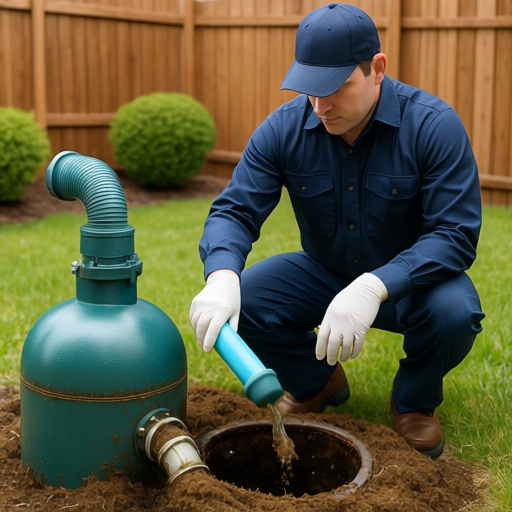
While homeowners can perform routine septic system maintenance, certain issues demand the expertise of a qualified professional. Ignoring these can lead to costly repairs, environmental hazards, and prolonged system downtime. Recognizing when to call a septic service technician is crucial for maintaining a healthy and functioning system.
One of the primary red flags indicating a need for professional intervention is recurring backups. These aren’t simple clogs that might resolve with plunging. Instead, they involve multiple fixtures – toilets, sinks, showers – all experiencing blockage simultaneously. This suggests a more significant problem within the drainfield or the main drain line. The source of these backups often requires specialized equipment and knowledge to pinpoint.
Another serious concern is the presence of sewage odors around the septic tank or drainfield. While a minor smell occasionally isn’t alarming, a persistent or strong odor strongly suggests a leak. Leaks can occur in various places, including cracks in the tank, damaged pipes, or a failing distribution box. These leaks not only create an unpleasant environment but also pose health risks and can contaminate the surrounding soil and groundwater. Professional inspection using specialized tools, such as electronic leak detectors, is necessary to locate and address such issues.
Slow draining is another symptom that shouldn’t be overlooked. If drains are consistently slow, even after basic troubleshooting, it could indicate a developing clog or a problem with the drainfield’s ability to adequately process wastewater. A failing drainfield, often due to soil saturation or excessive waste, is a common cause of slow draining. A professional can assess the drainfield’s functionality through methods like a percolation test and recommend appropriate solutions, which might include drainfield rehabilitation or replacement.
Furthermore, unusual gurgling sounds coming from drains are often a sign of venting problems. The septic system relies on proper venting to equalize pressure and allow gases to escape. Blockages in the vent pipes can disrupt this process, leading to gurgling and potential backups. While sometimes a minor obstruction can be cleared, complex venting issues often require professional diagnosis and repair.
Finally, if the septic tank’s components are showing signs of age or damage, it’s time to consult a professional. Septic tanks have a lifespan, typically ranging from 20 to 30 years. Signs of tank failure include structural cracks, corrosion, or settling. Regular inspections by a septic professional can help identify these issues early on, preventing major system failures. A professional inspection will evaluate the tank’s condition and advise on necessary repairs or replacement.
Addressing septic system problems promptly is key to preventing more significant and expensive issues down the road. Recognizing these warning signs and seeking expert help when needed ensures the longevity and proper functioning of your septic system, protecting both your health and the environment.
Maintaining a healthy septic system is a proactive endeavor, far less daunting than dealing with costly repairs. Regular, simple checks and preventative measures can significantly extend the life of your system and avoid unpleasant surprises. Understanding the fundamental components and their proper functioning is the first step towards effective DIY maintenance.
One of the most crucial aspects of septic system upkeep is managing water usage. Excessive water entering the system can overwhelm the septic tank and drain field. Implement water-saving habits throughout your home. Fix leaky faucets promptly, install low-flow showerheads and toilets, and consider water-efficient appliances. A simple home energy audit can often highlight areas where water consumption can be reduced. Monitoring your water bill for unusual spikes can also serve as an early warning sign of potential issues.
Regularly inspecting your septic tank is another vital preventative measure. While professional pumping is necessary every few years, periodic visual checks can reveal potential problems. Look for signs of standing water, which could indicate a blockage. Also, check the area around the septic tank and drain field for any signs of shifting soil, which might suggest soil saturation or drainage issues. Avoid driving or parking vehicles on the drain field, as this can compact the soil and impede drainage.
The drain field is the heart of the treatment process, responsible for filtering wastewater back into the soil. Protecting this area is paramount. Avoid planting trees or shrubs with deep root systems near the drain field, as their roots can clog the pipes and disrupt the soil structure. Chemical runoff from fertilizers and pesticides should also be directed away from the drain field, as these substances can harm the beneficial bacteria crucial for wastewater treatment. Consider using organic alternatives for lawn care and gardening.
Maintaining a healthy population of beneficial bacteria within the septic tank is key to its proper function. Avoid flushing items down the toilet that are not designed to be flushed, such as feminine hygiene products, diapers, wipes (even those labeled “flushable”), and paper towels. These items can disrupt the bacterial balance and lead to clogs. Additionally, be mindful of what you put down your drains in the kitchen. While some grease is unavoidable, excessive amounts can solidify and cause blockages. Filtering food scraps before they enter the drain system can help prevent this.
Consider the landscaping around your septic system. Ensure proper grading around the tank and drain field to allow for adequate water flow. Avoid excessive landscaping that could divert surface water towards the system, potentially leading to saturation. If you notice any unusual odors emanating from the septic tank or drain field, it’s a strong indication of a problem that requires attention. These odors often arise from anaerobic bacteria, meaning bacteria that thrive in the absence of oxygen, typically caused by a blockage or insufficient water flow.
Implementing a proactive maintenance schedule, even with basic DIY tasks, can save you significant money and hassle in the long run. By paying attention to water usage, regularly inspecting the system, and avoiding harmful practices, homeowners can contribute significantly to the longevity and efficiency of their septic system. Real-world scenarios demonstrate the value of this approach. For instance, a homeowner who implemented regular water-saving measures and avoided flushing inappropriate items reported a delay in their septic tank requiring pumping by nearly two years, representing a considerable cost saving.
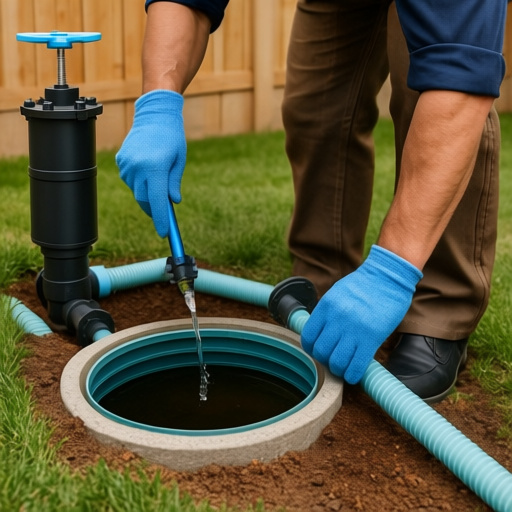
While routine maintenance and basic troubleshooting can address many common septic system issues, more complex problems often require a deeper dive. This section explores advanced techniques for diagnosing and resolving persistent or unusual challenges. Understanding these methods can help homeowners and professionals alike proactively manage septic system health and avoid costly repairs.
One area often overlooked is the analysis of effluent characteristics. Beyond simply checking for slow drains, a comprehensive evaluation of the wastewater’s composition can reveal underlying problems. This might involve testing for specific bacteria levels, nutrient imbalances, or the presence of unusual organic compounds. Specialized laboratory testing can provide valuable insights into the health of the septic tank and drainfield. For instance, elevated levels of phosphorus could indicate excessive fertilizer use, impacting the microbial balance within the system.
Another advanced technique involves utilizing pressure testing equipment. This allows for a thorough assessment of the drainfield’s integrity. By applying pressure to the system and monitoring for leaks, technicians can pinpoint areas of failure, such as cracked pipes or a failing distribution box. This is particularly useful when conventional inspections fail to identify the source of a problem. A slow effluent level after a pump cycle, even with seemingly clear lines, could signal a leak within the drainfield necessitating pressure testing.
Furthermore, understanding the role of anaerobic bacteria is crucial for advanced troubleshooting. The septic tank relies on a thriving community of these microorganisms to break down organic waste. Disruptions to this ecosystem, caused by excessive grease, harsh chemicals, or insufficient solids removal, can lead to system malfunctions. Analyzing the tank’s sludge and scum layers can provide clues about the health and activity of the bacterial population. Changes in the color or consistency of these layers might indicate imbalances.
The use of infrared thermography offers another non-invasive method for identifying potential issues. This technology detects temperature variations, which can highlight areas of heat loss indicative of leaks or pipe damage. While not a definitive diagnostic tool, thermography can effectively narrow down the search area for more detailed inspection. For example, a consistently colder section of the drainfield compared to its surroundings could suggest a subsurface leak.
Consider the scenario of a homeowner experiencing recurring drainfield failure despite regular pumping. Basic troubleshooting might involve checking for simple blockages. However, advanced techniques would necessitate a more comprehensive evaluation, including a soil percolation test to assess the drainfield’s capacity, and potentially a video inspection of the drainfield lines to identify obstructions or damage. This multi-faceted approach ensures a more accurate diagnosis and targeted solution.
Proper record-keeping is paramount when dealing with advanced troubleshooting. Maintaining a detailed log of maintenance activities, pump dates, and any observed symptoms helps track system performance over time and identify trends. This historical data can be invaluable in diagnosing complex issues and predicting future needs. Furthermore, consulting with a qualified septic system professional is highly recommended when facing persistent or unusual problems. Their experience and specialized equipment are often necessary to effectively diagnose and resolve advanced septic system challenges.
When a septic system malfunctions, homeowners face a critical decision: repair or replacement. Understanding the differences between these options, along with the factors influencing each, is paramount to making an informed choice. The best course of action depends heavily on the nature of the problem, the age of the system, and the overall condition of the property.
Septic system repair focuses on fixing specific problems within the existing system. Common repair needs include addressing leaks in the tank or pipes, repairing a failing or broken pump, or resolving issues with the drainfield. These problems, while disruptive, can often be addressed at a lower cost than a full replacement. For instance, a cracked septic tank might be repairable with a liner, extending its lifespan. Similarly, a malfunctioning pump can often be replaced without needing to replace the entire system. The timeframe for repairs can vary significantly, from a few hours for a minor fix to several days for more complex issues.
However, repairs are not always a sustainable solution. If the system is old, heavily damaged, or frequently requires maintenance, repeated repairs can become financially burdensome. Furthermore, older systems may not meet current environmental regulations or be as efficient as modern designs. A system that has been in operation for 20-30 years might be nearing the end of its functional life, even if it can be temporarily repaired.
Septic system replacement involves installing a brand-new system. This is typically considered when repairs are too costly, the system is severely damaged, or when the system is outdated and no longer meets current standards. Replacing a septic system can involve updating both the tank and the drainfield. Advancements in septic technology have led to more efficient and environmentally friendly systems. For example, modern drainfield designs often utilize trenchless methods, minimizing disruption to the property. These new systems frequently incorporate features like advanced filtration to improve effluent quality.
The cost of a septic system replacement varies considerably based on factors such as the size of the system, the materials used, and local labor costs. While the initial investment is higher than a repair, a new system can offer longer-term reliability, reduced maintenance needs, and potentially improved property value. According to the Environmental Protection Agency (EPA), the average cost of a septic system replacement in the United States ranges from \(10,000 to \)20,000, but this can vary widely depending on the specifics of the project.
Several factors should be considered when deciding between septic system repair and replacement:
